
How to Make DIY Things at Home: A Guide to Sustainable Crafting
In an era dominated by mass production and disposable consumerism, the art of making DIY things at home has emerged as a powerful act of creativity and sustainability. Engaging in do-it-yourself projects is more than just a hobby; it is a way to customize your living space, save money, and reduce your overall carbon footprint by repurposing existing materials. Whether you are a novice looking to create your first piece of home decor or an experienced maker seeking inspiration, understanding the fundamental principles of crafting is the first step toward mastery.
The Philosophy of Mindful Creation
When you decide to make things at home, you are entering the world of creative crafting and self-sufficiency. The process begins with identifying a specific need or aesthetic desire, followed by selecting sustainable materials. By focusing on upcycling projects, you transform discarded items into functional objects, which is a core component of a circular economy mindset. Understanding these basics allows you to navigate the complexities of materials science and design aesthetics with confidence.

Essential Tools for Your Home Workshop
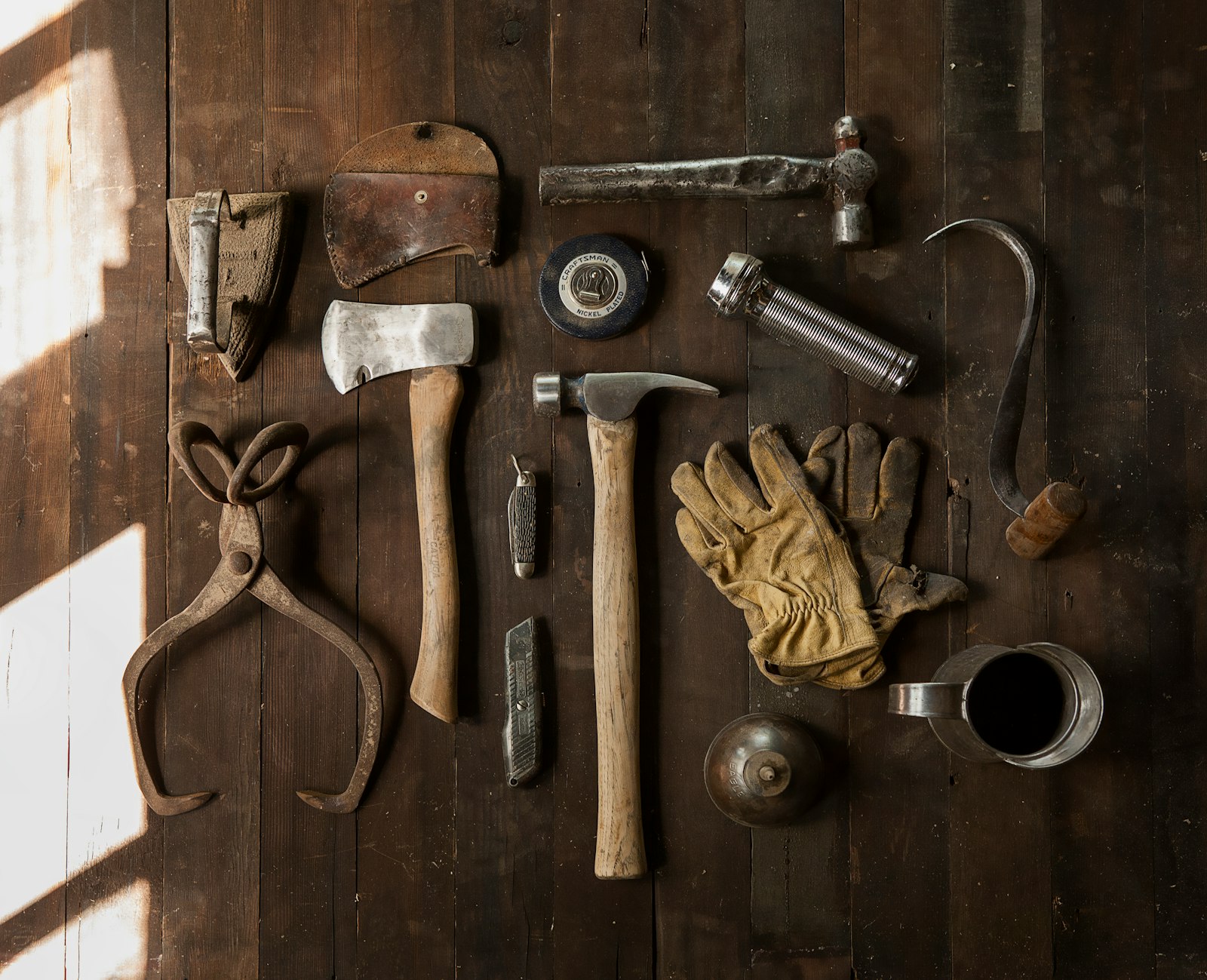
Before beginning any project, it is vital to stock a basic toolkit. You do not need expensive power tools to start; most DIY projects can be completed with a few reliable essentials:
- High-quality adhesive: A reliable hot glue gun or specialized wood glue is crucial for structural integrity.
- Precision cutting tools: A sharp utility knife and a pair of heavy-duty fabric scissors.
- Measurement instruments: A retractable tape measure and a steel ruler are non-negotiable for accurate work.
- Finishing supplies: Natural waxes, non-toxic paints, and sandpapers of various grits to ensure a professional look.
Choosing Sustainable Materials
The environmental impact of your DIY endeavors relies heavily on your material choices. Opting for natural fibers like cotton or linen, reclaiming reclaimed wood, and using water-based finishes will ensure your home environment remains healthy and free of harsh chemicals. By sourcing materials locally or scavenging from your own household, you significantly reduce the environmental cost of your projects.

Mastering Basic Woodworking and Joinery
Woodworking is often considered the pinnacle of home DIY. Even without a professional workshop, you can create beautiful furniture or organizers using basic joinery techniques. The key lies in understanding the grain of the wood and selecting the right assembly methods. Pocket-hole joinery, for example, allows you to hide fasteners, providing a clean, seamless finish that rivals store-bought alternatives. Always prioritize safety by wearing protective gear and working in a well-ventilated space, especially when staining or varnishing your creations.
Transforming Textiles and Fabrics
Soft goods, such as curtains, throw pillows, and wall hangings, can change the mood of a room instantly. If you are learning how to sew or weave, focus on durable textiles that offer longevity. By learning to mend or repurpose old garments into home goods, you participate in slow fashion principles within your living space. This practice not only saves money but also instills a deeper appreciation for the labor involved in manufacturing textiles.

Organizational Solutions via DIY
Home organization is one of the most practical applications of DIY skills. Customizing your storage allows you to maximize limited space. Consider building modular shelving units or wall-mounted pegboards. By measuring your specific constraints—such as closet depth or corner dimensions—you can create storage that fits perfectly, which is rarely the case with mass-produced furniture. Utilizing vertical space is a pro-tip for small apartments; installing floating shelves or hanging baskets keeps the floor clear and the room feeling expansive.
Conclusion
Making things at home is a transformative journey that balances utility with artistic expression. As you develop your skills, you will find that the process of creating is often more rewarding than the finished object itself. Start small, prioritize high-quality materials, and don't be afraid to experiment with new techniques. Whether you are building furniture, sewing soft goods, or organizing your home, your DIY efforts contribute to a more personalized and sustainable lifestyle.

Frequently Asked Questions
1. What are the best DIY projects for beginners?
Beginners should start with small, low-risk projects like creating simple shelf decor, hand-poured soy candles, or decorative wall art. These require minimal tools and help you build confidence in handling materials.
2. How can I ensure my DIY projects look professional?
The secret to a professional finish is patience, particularly with preparation and finishing steps. Sanding wood thoroughly, using clean lines in painting, and taking the time to measure twice before cutting will elevate the quality of your output.

3. Where can I find affordable materials for DIY?
Look toward thrift stores, local hardware store scrap bins, and online marketplaces for second-hand materials. Reclaiming wood from old pallets or using fabric from worn-out linens are excellent ways to source materials for free or at a very low cost.
4. Is DIY home improvement safe for everyone?
Safety depends on the complexity of the project. Always wear appropriate personal protective equipment (PPE), work in a ventilated area when using chemicals, and ensure you have adult supervision if you are a minor or are using heavy machinery.
5. How do I maintain DIY items to ensure they last?
Regular maintenance involves keeping items clean and reapplying protective finishes like natural oils or waxes when necessary. Proper care is essential to extend the lifespan of any handmade object.