
4 min read

Unleashing Creativity with Acrylics and Reclaimed Wood
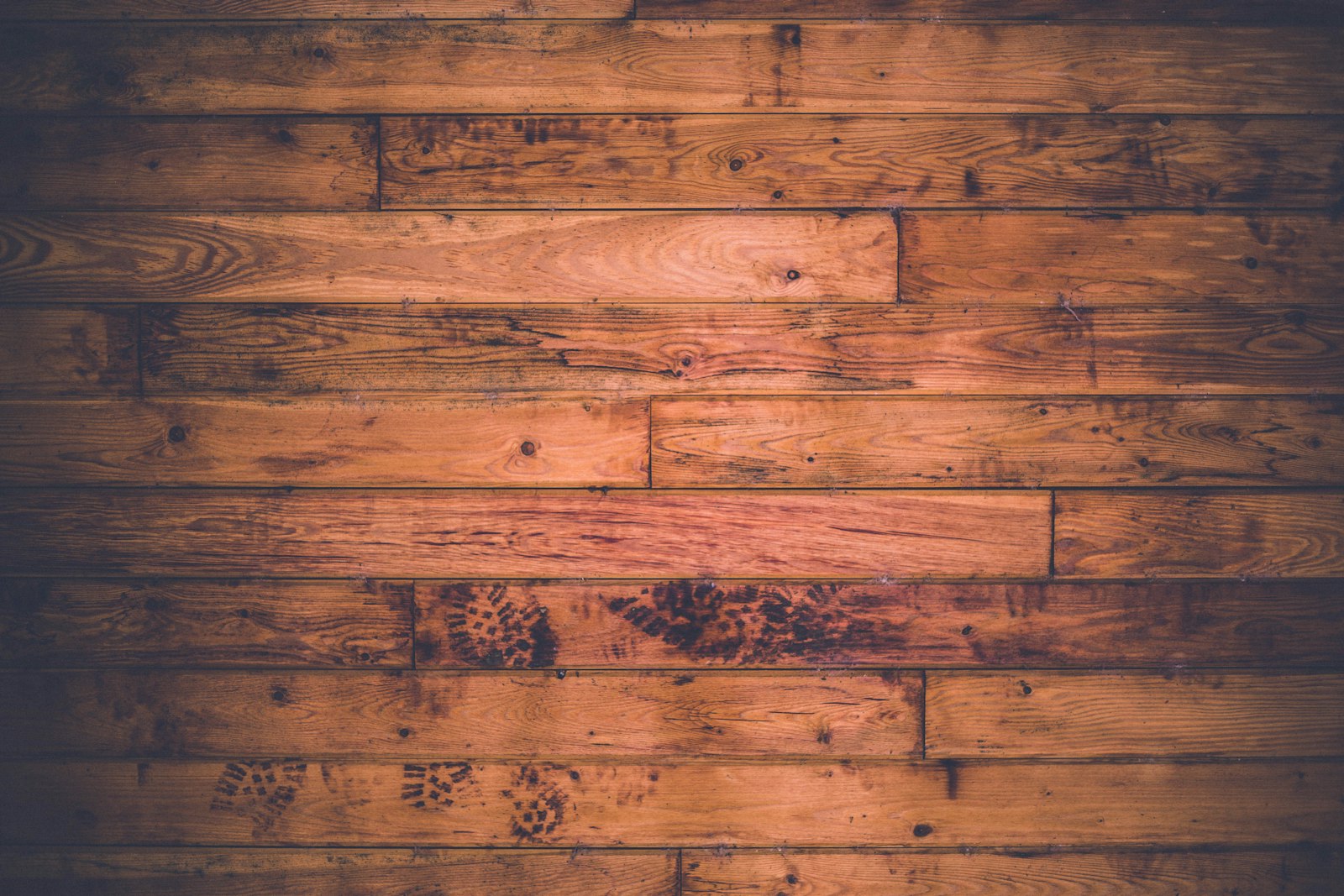
The intersection of sustainable crafting and artistic expression creates unique opportunities for gift-giving. Using reclaimed wood as a canvas offers a rustic, textured aesthetic that elevates standard acrylic painting projects into meaningful, heirloom-quality pieces. Whether you are prepping for the holiday season or seeking a relaxing weekend activity, mastering the art of painting on wood requires understanding the medium, the material, and the finishing process.
- Essential wood preparation techniques
- Advanced acrylic blending methods
By repurposing old shipping pallets, barn wood, or scrap lumber, you contribute to a circular economy while honing your fine motor skills. Acrylic paint is an ideal medium for wood because of its high pigment density, quick drying time, and versatility in achieving both opaque coverage and delicate translucent washes.

Selecting and Preparing Your Reclaimed Surface
Before dipping your brush into paint, the integrity of your surface is paramount. Reclaimed wood often carries a history of dirt, oils, and uneven textures. Start by inspecting your material for splinters or loose debris. Use a coarse grit sandpaper to smooth out edges, but be mindful not to remove too much of the natural grain or character that makes reclaimed wood so visually appealing.
The Priming Process
Unlike canvas, wood is highly porous. If you apply paint directly to raw timber, the wood will absorb the moisture, resulting in dull, muted colors and excessive paint consumption. Applying a thin coat of gesso is the industry standard. For a more transparent look, you can use a clear acrylic medium to seal the surface, allowing the beauty of the wood grain to interact with your artistic composition.

Techniques for Professional Finishes
Once your surface is prepped, consider the aesthetic goal of your project. Are you aiming for a minimalist Scandinavian style or a bold, high-contrast abstract piece? Acrylics are incredibly forgiving, allowing you to layer colors until the desired depth is achieved. Experiment with dry brushing to catch the texture of the grain, or use heavy-body acrylics to build impasto-style textures that add dimension to your holiday gifts.
Blending and Detailing
Achieving smooth transitions on wood can be challenging due to the surface friction. Utilize a retarder medium to slow down the drying process of your acrylics, which grants you more time to blend gradients. For fine lines and intricate holiday patterns, a high-quality synthetic liner brush will yield the best results. Always work from the background forward to build a professional-looking composition.

Functional Art: From Wall Decor to Keepsakes
Reclaimed wood projects serve a dual purpose. Transform a small plank into a personalized serving tray, a set of hand-painted coasters, or custom wall art. Because these gifts are handmade, they carry a sentimental value that mass-produced items cannot replicate. Always finish your acrylic paintings with a protective acrylic varnish—available in matte, satin, or gloss—to shield the artwork from moisture, dust, and UV fading.
Conclusion
Creating holiday gifts from reclaimed wood and acrylic paint is a rewarding journey that balances sustainability with creativity. By mastering the fundamentals of surface preparation, layer management, and protective sealing, you can produce professional-grade items that will be cherished for years. Remember that the charm of reclaimed wood lies in its imperfections, so embrace the knots and nail holes as part of your design narrative.
Frequently Asked Questions
How do I prevent my acrylic paint from looking streaky on raw wood?
Streaks often occur due to improper sealing. Always use at least one coat of gesso or a wood primer before starting your primary artwork to create a consistent, non-porous base.
Should I sand the wood after applying the first layer of gesso?
Yes, a light sanding with fine-grit sandpaper after the gesso dries will remove any raised wood fibers and create an ultra-smooth surface for your final acrylic layers.

Can I use outdoor wood for indoor gift projects?
You can, but ensure it is thoroughly cleaned and dried. If the wood was previously treated with harsh chemicals, seal it completely with a high-quality water-based sealer before painting.
What is the best way to clean brushes used with acrylics?
Acrylic paint dries permanently. Always rinse brushes in cool water immediately after use and clean them with a gentle soap or a specialized brush cleaner to maintain the integrity of the bristles.
How can I ensure my holiday gift lasts for a long time?
The most critical step is the final varnish. Apply two thin coats of a non-yellowing, archival-quality acrylic varnish to protect the paint from environmental factors and physical wear.
Tried this project?
Show us how yours turned out in the comments — your version might be exactly the inspiration another maker needs.
If this tutorial helped, share it with a fellow crafter.