
5 min read
Stress-relief origami with simple folds is a quiet evening habit that calms the mind without screens or supplies. Folding paper asks for just enough attention to pull you out of worried thoughts, but not so much that it feels like work. A few simple models, folded slowly, can turn a restless evening into a peaceful one. You need only paper and a flat surface, and you can start tonight. No special tools or lessons are needed, which is part of why origami works so well for stress relief.
Origami works as stress relief because it combines gentle hand movement with a clear, achievable goal. Each fold has a visible result, which gives your mind a small sense of progress. The repetition of folds is soothing, much like slow breathing. You do not need to be artistic, since the paper does most of the work if you follow the steps.
Why Folding Calms the Mind
Folding paper gives anxious hands something to do, which breaks the cycle of restless thoughts. The focus required for each fold is light enough to be relaxing but strong enough to keep your mind from wandering back to stress. Studies of repetitive hand crafts show that they can lower heart rate and ease tension. Origami is one of the simplest of these crafts, since it needs no setup or cleanup.
The paper itself helps, because it makes a soft sound and feels smooth under your fingers. Folding slowly and breathing evenly turns the activity into a form of moving meditation. If your mind drifts to worries, return your attention to the next fold without judging yourself. A finished model is a small reward that reminds you that you can make something calm out of a plain sheet. Keep your finished models in a small basket where you can see them at the end of the week.
Paper and Space Setup
Use square origami paper, about six inches across, for most simple models. Standard origami paper is thin and colored on one side, which makes the folds crisp and the results pretty. Printer paper cut into a square also works, though it is thicker and harder to fold precisely. Keep a small stack of squares nearby so you can fold several models without stopping.
Set up a clear, flat table in a quiet corner with soft light. Put your phone on silent and give yourself twenty minutes without interruptions. A cup of tea and a calm playlist can make the session feel like a ritual. Clear the table of clutter, since a tidy space helps your mind settle. Fold at a comfortable pace, and do not rush to finish. Rushing turns a calming activity into a race, which defeats the purpose of the session.
The Classic Crane
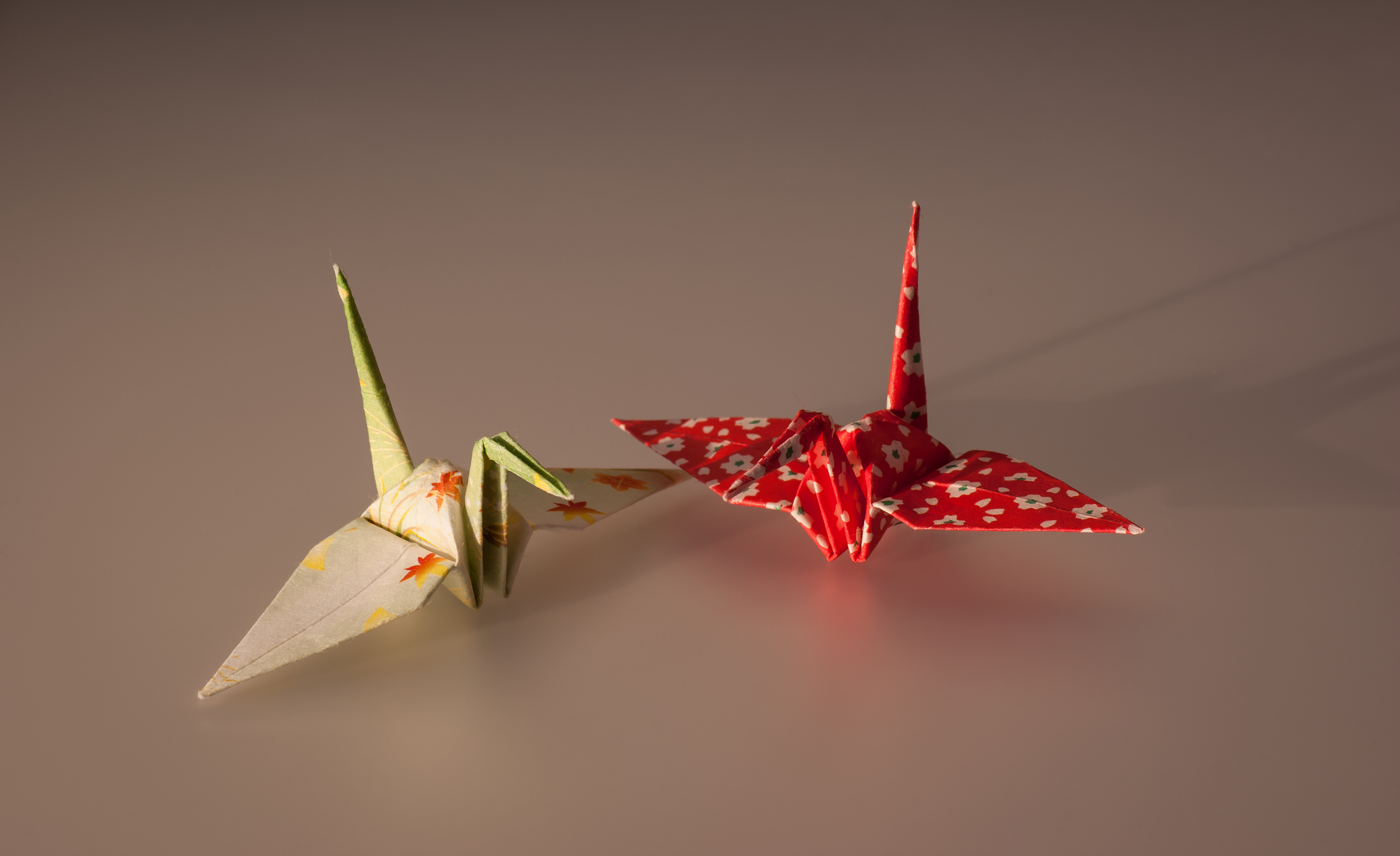
The crane is the most famous origami model, and it uses a sequence of simple folds that anyone can learn. Start with a square, fold it into a triangle, and follow the standard steps to form the bird base. The crane takes about ten minutes once you know the steps, and the first few attempts may look uneven. That is normal, and each crane gets neater as you learn the folds.
Fold the crane slowly, pressing each crease with a fingernail or a bone folder. A sharp crease makes the next fold easier and the finished crane crisper. When the crane is done, gently pull the wings apart and blow into the body to inflate it. Set the finished crane on your desk as a small reminder of a calm evening. A row of cranes in different colors makes a pretty display.
The Simple Boat
The paper boat is one of the easiest origami models, and it takes only a few minutes. Start with a rectangle, fold it in half, and fold the top corners to the center. Fold the bottom flaps up on both sides, then open the shape into a boat. The boat is a good model for beginners because the folds are large and forgiving.
Fold the boat with a child or a friend for a shared moment of calm. Float the finished boat in a bowl of water and watch it drift, which adds a quiet visual focus to the evening. If the boat tips, refold it with sharper creases and try again. The boat is not meant to last, which is part of its charm: you fold it, enjoy it, and let it go. Letting go of a paper boat is a gentle reminder that not everything needs to be kept.
Building a Daily Folding Habit
Fold one model each evening at the same time, such as after dinner or before bed. Keep the session short, about fifteen minutes, so it stays relaxing rather than becoming another task. Choose one model to practice for a week, then try a new one when the first feels easy. A small basket of folded models shows your progress over time.
If you miss a day, fold the next day without guilt. The goal is calm, not perfection, and a missed day is not a failure. Over weeks, the habit trains your mind to settle more quickly when you sit down to fold. Stress-relief origami is a small, quiet practice that asks little and gives back a calmer evening.
There is plenty more to try. The list below leads off with Beading Crafts for Relaxation: Stress‑Relieving DIY Projects — a good place to continue.
Related Articles:
- Beading Crafts for Relaxation: Stress‑Relieving DIY Projects
- Acrylic Painting Crafts for Beginners: Elevate Your Home Office
- Acrylic Painting Crafts: Therapeutic Art Ideas for Modern Decor
Tried this project?
Show us how yours turned out in the comments — your version might be exactly the inspiration another maker needs.
If this tutorial helped, share it with a fellow crafter.