
Beginner-Friendly Metal Crafts for Women: Easy Projects & Tips
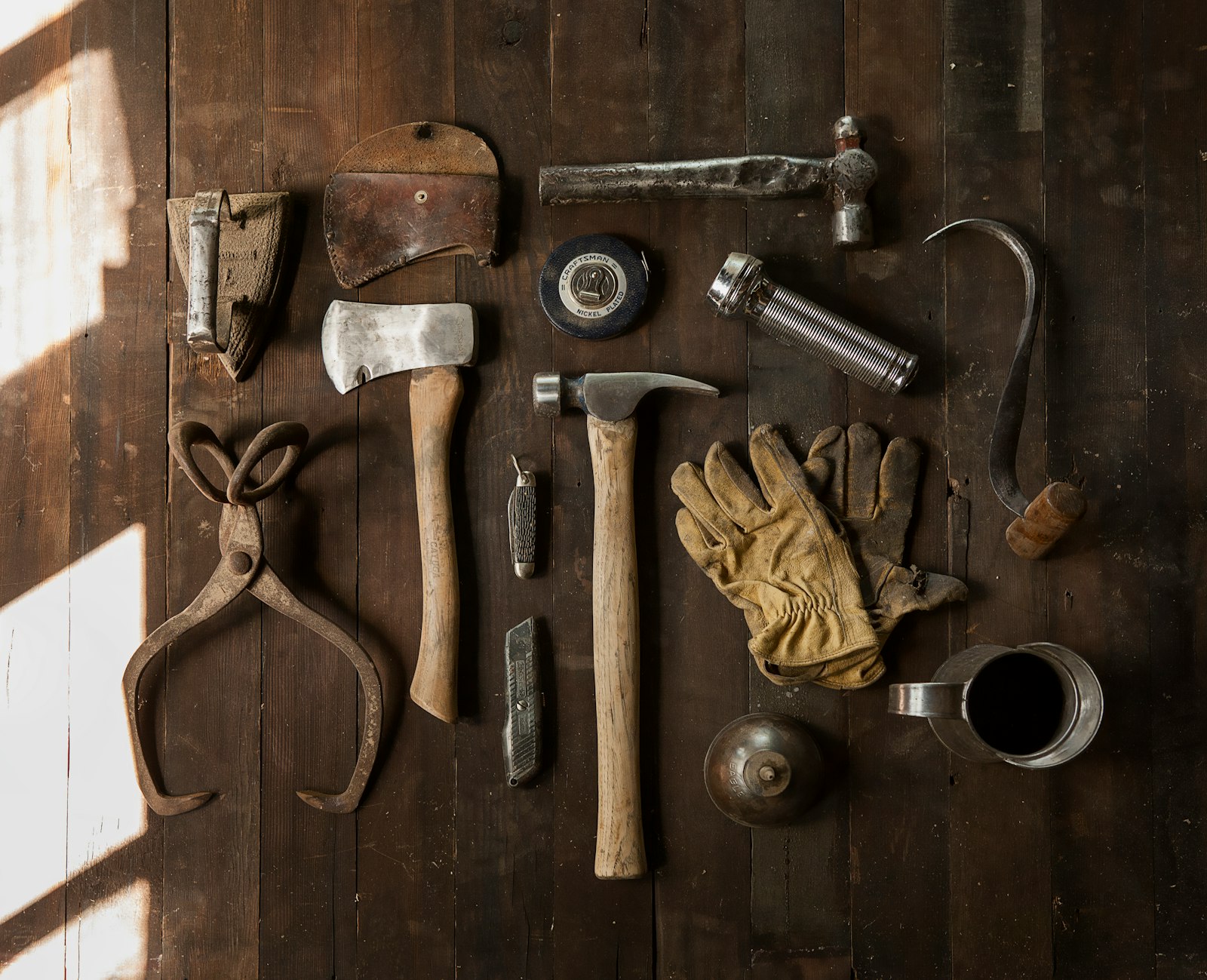
Metalworking might seem intimidating, but with the right guidance it becomes an empowering hobby for any woman looking to create lasting, tactile art. From delicate jewelry to bold home décor, beginner-friendly metal crafts blend creativity with a satisfying hands‑on process. This guide walks you through essential tools, safe practices, and step‑by‑step projects that anyone can start today.
- Why Metal Crafts Appeal to Women Beginners
- Essential Tools and Safety Gear
- Choosing the Right Metals for Beginners
- Step‑by‑Step Projects
- Simple Wire Bracelet
- Stamped Metal Bookmark
- Miniature Wall Sculpture
- Finishing Techniques for a Professional Look
- Conclusion
- Frequently Asked Questions
Why Metal Crafts Appeal to Women Beginners
Many women gravitate toward metal crafts because the medium offers both precision and flexibility. Unlike bulky woodworking, metal projects can be compact, making them ideal for small studios or apartment spaces. The shiny finish of metal also provides an instant sense of accomplishment, turning a simple idea into a polished piece that can be worn or displayed.

Beyond aesthetics, metalworking builds confidence. Each bend, cut, or solder teaches problem‑solving skills that translate to other creative pursuits. Moreover, the community around metal crafts is welcoming, with countless online tutorials, forums, and local maker groups ready to support newcomers.
To explore more inspiration, check out metal craft ideas and smithing tutorials that cater specifically to beginners.

Essential Tools and Safety Gear
Starting a metal craft journey doesn’t require a full workshop; a curated set of tools will cover most beginner projects.
- Needle‑nose pliers – perfect for bending wire and holding small pieces.
- Jeweler’s saw – enables precise cuts in thin metal sheets.
- Hammer set – a small ball‑peen hammer for shaping and a rubber mallet for delicate work.
- Bench vise – secures workpieces while you cut or file.
- Files and sandpaper – smooth edges and refine surfaces.
- Soldering iron with lead‑free solder – joins metal pieces cleanly.
Safety should never be an afterthought. Equip yourself with:

- Safety goggles – protect eyes from sparks and metal shards.
- Heat‑resistant gloves – essential when soldering or using a torch.
- Respirator or dust mask – especially when filing or sanding.
- Ventilated workspace – ensure fumes from solder or polishing compounds disperse.
Choosing the Right Metals for Beginners
The metal you select influences the difficulty, cost, and final look of your project. Here are three beginner‑friendly options:
Copper
Copper is soft, malleable, and conducts heat well, making it easy to bend and solder. Its warm reddish tone adds a rustic charm, and it develops a beautiful patina over time.

Aluminum
Aluminum is lightweight and resistant to corrosion. It’s ideal for jewelry and decorative items that need to stay comfortable on the skin. However, it requires a slightly higher temperature for soldering.
Brass
Brass combines the workability of copper with a golden hue that mimics gold without the price tag. It’s perfect for statement pieces like cuff bracelets or ornamental hardware.

Step‑by‑Step Projects
Now that you have tools and metal, let’s dive into three rewarding projects that showcase different techniques.
1. Simple Wire Bracelet
This project introduces basic wire‑wrapping and knotting.
- Cut a 20‑inch length of 20‑gauge copper wire.
- Form a small loop at one end using needle‑nose pliers – this will be the clasp.
- Wrap the wire around your wrist, creating a decorative spiral pattern. Keep the tension even.
- When you reach the desired length, create another loop and secure it with a simple knot.
- Trim excess wire and file the ends smooth.
Optional: Add tiny beads or stamped metal charms for extra flair.
2. Stamped Metal Bookmark
A flat, functional piece that teaches stamping and finishing.
- Cut a 4×8‑inch rectangle from 24‑gauge brass sheet using a jeweler’s saw.
- File the edges smooth and sand the surface lightly.
- Place a metal stamp (e.g., a leaf or initial) on the rectangle and strike with a hammer to imprint the design.
- Apply a thin coat of clear enamel for protection and a subtle shine.
- Attach a small loop of wire at the top for easy handling.
3. Miniature Wall Sculpture
This project combines cutting, bending, and soldering for a decorative accent.
- Sketch a simple geometric design (e.g., interlocking circles) on paper.
- Transfer the pattern onto a 1‑mm aluminum sheet and cut with a jeweler’s saw.
- Use a bench vise to gently bend sections into three‑dimensional shapes.
- Solder intersecting points using a soldering iron and lead‑free solder.
- Polish the finished piece with a metal polish cloth and hang with a small hook.
Finishing Techniques for a Professional Look
Even simple projects shine when finished properly. Consider these steps:
- Deburring – file any sharp edges after cutting.
- Polishing – use a polishing wheel or cloth with metal polish for a mirror finish.
- Patination – apply chemicals like liver of sulfur for an aged look, then seal with a clear coat.
- Protective coating – a thin spray of clear enamel prevents oxidation, especially for copper.
Experiment with texture; a lightly sanded surface can add visual interest without compromising durability.
Conclusion
Metal crafts offer a rewarding blend of artistry and craftsmanship that is entirely accessible to women beginners. By investing in a modest tool kit, choosing forgiving metals like copper or brass, and practicing foundational techniques, you can create pieces that are both beautiful and functional. Remember, each project builds confidence—so start small, stay safe, and let the metal transform your creative vision into tangible art.
Frequently Asked Questions
What is the best metal for a first jewelry project?
Copper is often recommended because it is soft, easy to shape, and inexpensive, making it ideal for beginners.
Do I need a professional soldering iron for small projects?
A basic, temperature‑controlled soldering iron with a fine tip works well for jewelry‑size pieces; just ensure you use lead‑free solder.
How can I prevent my metal pieces from tarnishing?
Apply a clear enamel or lacquer coating after polishing; storing items in airtight containers also slows oxidation.
Can I work with metal in a small apartment?
Yes—choose compact tools, work on a sturdy tabletop, and ensure proper ventilation, especially when soldering.
Where can I find beginner-friendly patterns or templates?
Online maker communities, free PDF libraries, and the internal search links on this blog (e.g., metal craft ideas) provide ample free patterns.