
DIY Handicrafts: A Complete Guide to Starting Your Creative Journey
Discovering the World of DIY Handicrafts
The rise of DIY handicrafts has transformed how we approach creativity and home aesthetics. In an era dominated by mass-produced items, the allure of handmade objects lies in their unique imperfections and the personal story behind every stitch, mold, or brushstroke. Engaging in craft projects is more than just a hobby; it is a therapeutic practice that fosters mental well-being and sustainable living. By creating your own items, you reduce reliance on industrial manufacturing and contribute to a more mindful lifestyle.
For beginners, the sheer variety of available crafts can feel overwhelming. Whether you are interested in textile arts, woodworking, or papercraft, the key is to start with projects that utilize accessible materials and basic techniques. Once you master the fundamentals, you can expand your creative repertoire into more complex areas like home decor customization or artisanal gift-making.

In This Article
- Essential Tools for Beginners
- Top Trends in Sustainable Crafting
- Techniques for Creative Mastery
- Turning Your Hobby into a Business
- Frequently Asked Questions
Essential Tools to Build Your Crafting Arsenal
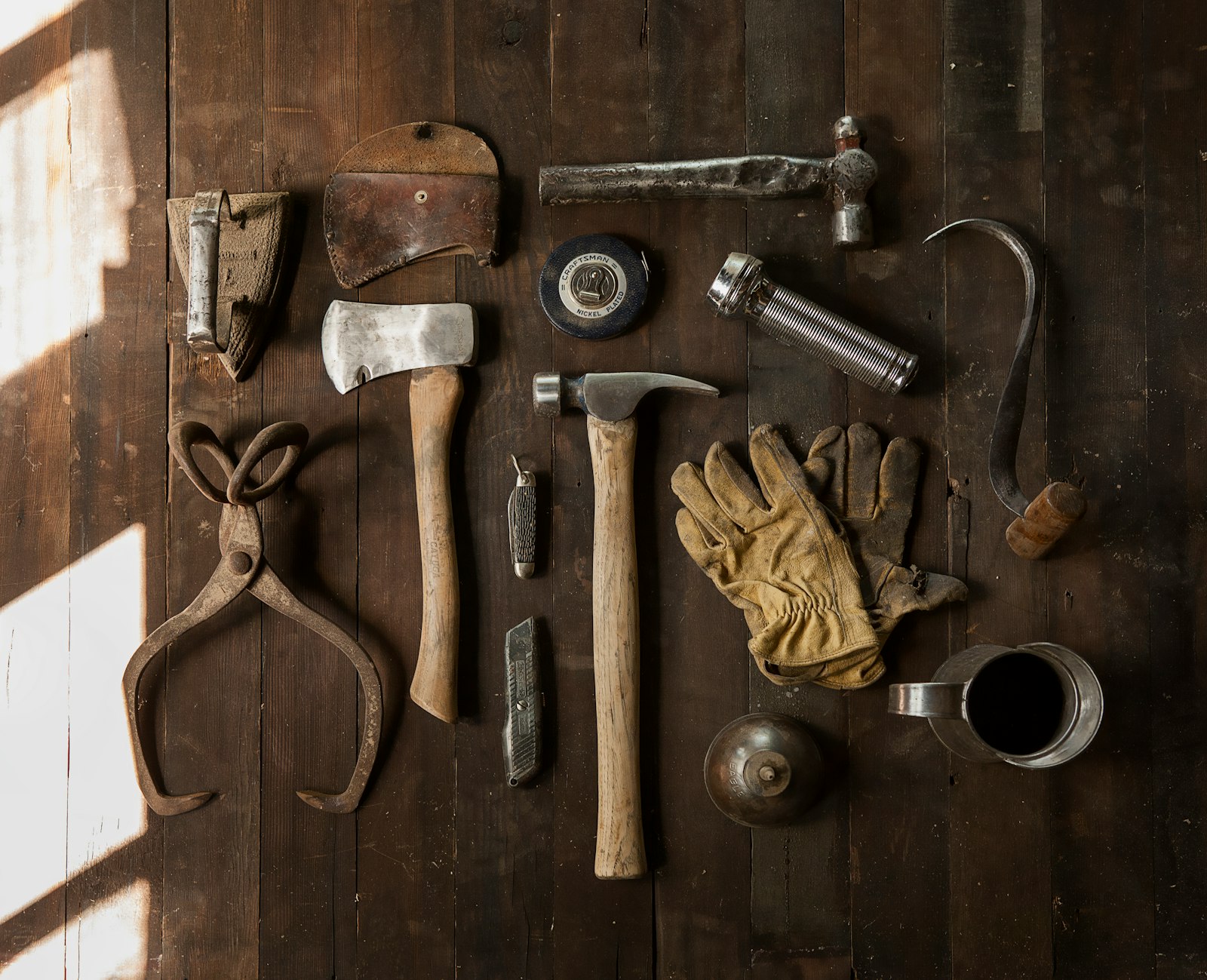
Every journey into artisan production begins with the right set of tools. You do not need an expensive workshop to create high-quality items; rather, you need high-quality basics. Investing in durable scissors, precision cutting mats, and ergonomic adhesive applicators will save you significant time and frustration. If you are venturing into textile crafting, prioritize a reliable sewing machine and quality fabric shears. For those focused on upcycling, a good set of sanding tools and non-toxic paints are indispensable.
Selecting Your Crafting Niche
To excel in the DIY space, it is often better to specialize before diversifying. Consider your environmental setting and the space you have available. Papercrafts require very little storage, while furniture restoration needs a dedicated, well-ventilated garage. Whatever niche you choose, ensure you focus on tactile quality—the texture and finish of your work are what distinguish amateur projects from professional-grade goods.

Sustainable Practices in Modern Crafting
One of the most significant advantages of DIY projects is the ability to control your material sourcing. The eco-friendly movement has heavily influenced the handicraft industry, with makers increasingly turning to reclaimed wood, natural fibers, and non-toxic dyes. By prioritizing sustainable materials, you are not only reducing your carbon footprint but also creating healthier items for your home. Repurposing old furniture or fabric scraps is a fantastic way to practice circular economy principles on a micro level.
The Therapeutic Benefits of Making
Many practitioners report that engaging in handicrafts serves as a form of mindfulness meditation. The repetitive motions of knitting, weaving, or painting can lower stress levels and induce a "flow state." This psychological benefit is a core reason why handmade hobbies have surged in popularity globally. Focusing on the sensory details of the project—the smell of cedar wood, the softness of wool, or the friction of clay—anchors you in the present moment, offering a respite from digital saturation.

Scaling Your DIY Handicrafts into a Business
If you find that your home is overflowing with creations, you might consider selling your work. Starting an online storefront requires more than just talent; it requires brand identity and clear photography. Buyers purchase handmade items because they want a connection to the creator. Ensure your product listings emphasize the human element, detailing the processes and materials used. Consistency in style and quality will help you build a loyal customer base over time.
Conclusion
Embracing DIY handicrafts is a lifelong journey of learning and expression. Whether you are making a small decor piece for your living room or a functional item for daily use, the process of creating with your hands is profoundly rewarding. By focusing on quality, sustainability, and personal creativity, you can turn any corner of your home into a productive studio. Start small, stay curious, and allow your creative instincts to guide your evolution as a maker.

Frequently Asked Questions
What are the best crafts for absolute beginners? Beginners should start with low-cost, high-reward projects like macramé wall hangings, simple soap making, or decoupage, as these require minimal equipment and offer quick, satisfying results.
How can I make my handicrafts look more professional? Focus on the finishing touches, such as proper sealing, consistent color palettes, and high-quality photography if you intend to share or sell your items online.

Is it expensive to start a new crafting hobby? Not necessarily. Many forms of crafting, such as embroidery, origami, or upcycling discarded household items, can be started with less than twenty dollars worth of supplies.
How do I find inspiration for new projects? Look toward nature, historical art movements, and online communities. Platforms like Pinterest or specialized craft forums are excellent for identifying current color trends and technique innovations.
What is the most sustainable way to source crafting supplies? Prioritize buying from local craft fairs, using remnants from larger projects, or sourcing second-hand materials from thrift stores to keep your practice environmentally conscious.