
Handcraft DIY: A Comprehensive Guide to Mastering Modern Crafting
The Essence of Handcraft DIY and Its Modern Renaissance
In an era dominated by mass-produced goods, handcraft DIY has emerged as a powerful counter-movement. It is not merely about saving money or filling time; it is a deliberate act of creativity that reconnects individuals with the tactile nature of production. Whether you are exploring woodworking techniques, testing your skills in textiles, or refining your upcycling capabilities, the act of making things by hand fosters a sense of accomplishment that digital consumption cannot replicate.
In This Article:
- The Psychological Benefits of DIY
- Essential Tools for the Modern Crafter
- Sustainable Crafting and Upcycling Practices
- Mastering Complex DIY Techniques
- Conclusion and Frequently Asked Questions

Understanding the Value of Artisanal Production
When we talk about handcraft DIY, we refer to the synthesis of traditional craftsmanship and personal ingenuity. Modern crafters are no longer limited to basic projects; they are leveraging advanced maker culture to create functional art. By prioritizing quality materials over convenience, you ensure that your creations stand the test of time, reducing the need for constant replacement—a key pillar of sustainable living.
The Psychological Impact of Creative Work
Engaging in manual labor and artistic expression has been shown to reduce cortisol levels and improve mental focus. The state of 'flow' experienced during intricate assembly or detailed painting helps practitioners disconnect from digital stressors. This psychological relief is one of the primary drivers behind the global resurgence of hobbyist communities.

Essential Equipment for Your Workshop
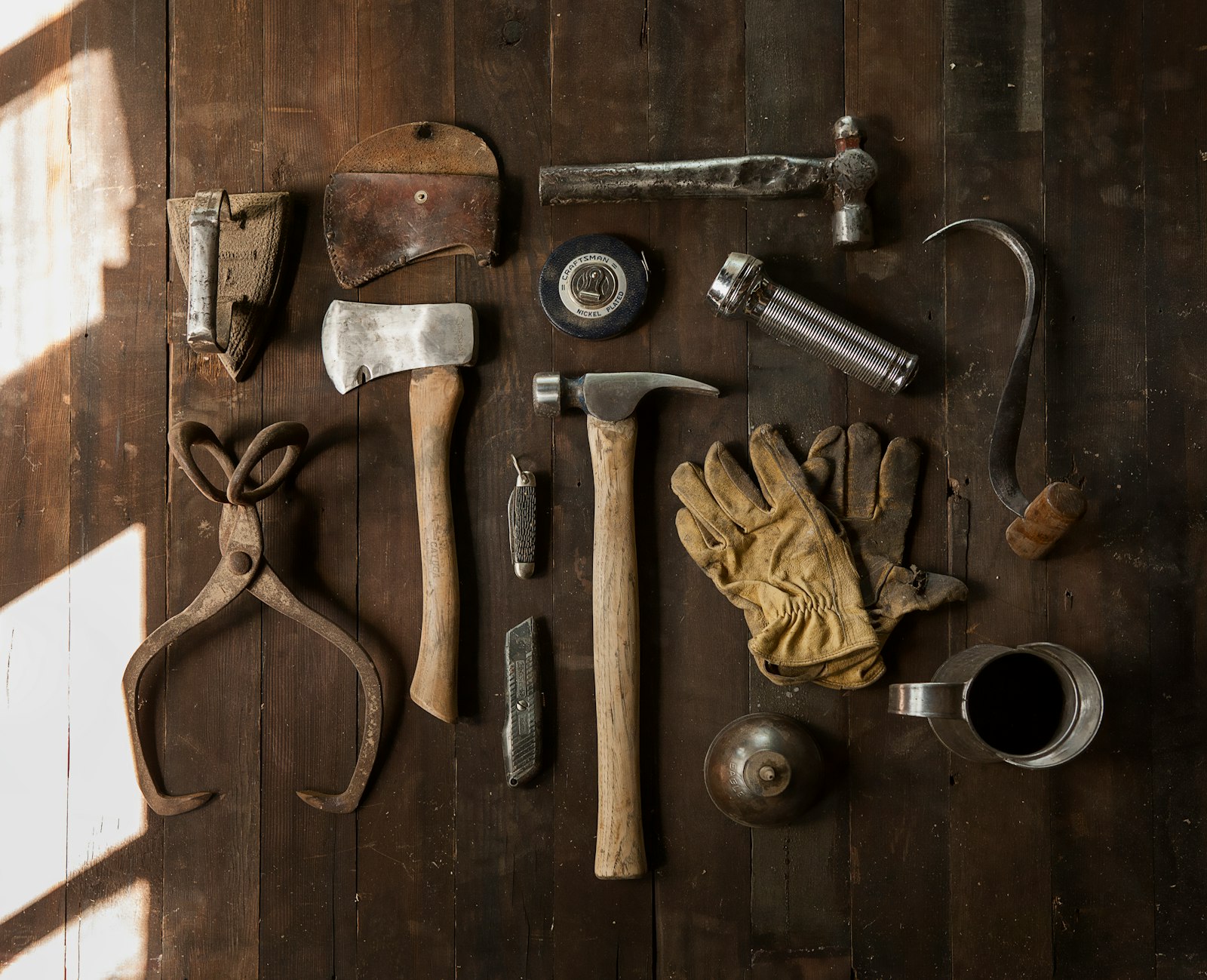
Regardless of your niche, every DIY studio requires a core set of foundational tools. Investing in high-grade hand tools rather than cheap, disposable alternatives will significantly improve your project outcomes. Focus on ergonomics, precision, and versatility. For those starting out, prioritize a reliable workbench, a high-torque power drill, and a versatile cutting system.
Sustainable Crafting: From Upcycling to Zero Waste
Sustainability is at the heart of the contemporary DIY movement. The philosophy of circular economy encourages creators to look at their waste streams as potential raw materials. By practicing upcycling—transforming discarded items into high-value objects—you not only reduce your environmental footprint but also develop a unique aesthetic style that cannot be found in traditional retail spaces.

Sourcing Ethical Materials
True artisanal quality begins with the source. Look for reclaimed timber, organic textiles, and eco-friendly finishes. When sourcing your materials, consider the entire lifecycle of the product. Using non-toxic sealants and low-VOC paints ensures that your indoor environment remains safe while you work on your next handmade project.
Advanced Techniques for the Dedicated Maker
To move from novice to expert, one must master the nuances of material science. Understanding how different grains of wood respond to humidity, or how various dyes bond to natural fibers, distinguishes a hobbyist from a skilled artisan. Do not shy away from failure; in craftsmanship, every mistake is a data point that informs your next iteration.

Building a Consistent Creative Routine
Consistency is the secret to mastery. Dedicate specific hours of your week to skill-building. Documenting your process—through photography or journals—can help you identify patterns in your work, allowing you to iterate and improve your techniques over time. Join local maker spaces or online forums to exchange knowledge and gain feedback from others who share your passion for handcrafted design.
Conclusion
The journey of handcraft DIY is a lifelong pursuit of learning and creation. By honoring traditional methods while embracing modern, sustainable materials, you contribute to a culture that values human input over automated efficiency. Whether you are building furniture, stitching garments, or repairing household items, the value lies in the process as much as the final product. Stay curious, keep honing your skills, and let your creativity shape the world around you.

Frequently Asked Questions
What are the easiest DIY projects for beginners to start with? Beginners should start with projects that focus on foundational skills, such as basic woodworking (like building a shelf) or simple textile repair. These projects teach you tool safety and material properties without overwhelming the workflow.
How can I ensure my handmade items have a professional finish? Achieving a professional look requires attention to detail during the 'finishing' phase. This includes proper sanding, even application of paints or stains, and using high-quality hardware like hinges or clasps.
Is DIY crafting actually more sustainable than buying new? Yes, when you focus on upcycling or sourcing local, reclaimed materials. By extending the lifespan of existing objects, you reduce landfill waste and the energy associated with mass-manufacturing and global logistics.
What is the best way to organize a small DIY workshop? Use vertical wall storage, modular shelving, and clear labeling systems. Keeping your tools visible and accessible reduces setup time and helps maintain a safe, clean environment for complex tasks.
How do I find inspiration for original DIY designs? Look at historical design trends, study the architecture of everyday objects, and practice sketching your ideas. Combining different techniques—like wood carving and metal inlay—can lead to truly original work.